Detailed sheet

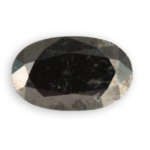
neptunite

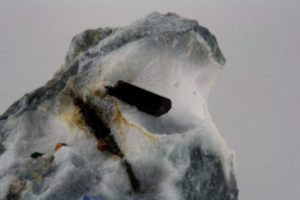
Discovered by the mineralogist Flink in 1893, it was named Neptune, the God of the Sea for the Romans, as it was discovered on the same site, in association with aegirine, the scandinavian name of the God of the sea


CHEMICAL CHARACTERISTICS

KNa2Li(Fe,Mn)2Ti2[Si8O24]

manganese and iron alkaline titanosilicate


PHYSICAL CHARACTERISTICS

Main color

black

Other colors

brown, red

very dark

Color of streak

brown

Luster

vitreous

Hardness

5.0 to 6.0

Density

3.19 to 3.25

Cleavage

perfect

Fracture

conchoidal


OPTICAL PROPERTIES

Transparency

opaque, translucent

very rarely transparent

Refractive index

1.690 - 1.735

Double refraction

0.028

difficult to observe biaxial positive

visible double refraction

No

Dispersion

++

Pleochroism

definite

Number of colors

2

yellow, orange red

Fluorescence

none


CRYSTALS PROPERTIES

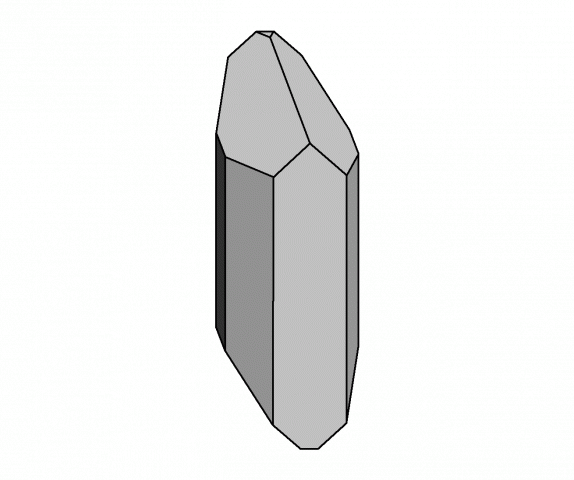
prismatic
crystals system

monoclinic


OTHER INFORMATIONS

Exploited
sites

It is found associated with benitoite, in San Benito, California and other deposits in the United States and Canada. It is present in Brazil, Russia, Mongolia, Tajikistan, Australia, Ireland, Greenland.

use in jewelry

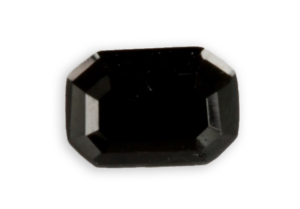
often of a very dark color, it is cut in facets. It’s a collection stone

Other
Gems

Envie d’acquérir

une pierre certifiée ?

maximevoillotgems.com

Découvrez les pierres précieuses certifiées sélectionnées à la source par Maxime Voillot : saphirs, rubis, émeraudes, spinelles et pierres rares, disponibles à la vente sur maximevoillotgems.com.

Découvrir Maxime Voillot Gems